Bread seems simple until you start reading nutrition labels. Two loaves may appear identical, yet they offer wildly different quantities of protein, carbohydrates and fiber, sugar and calories. If you’re trying to reduce carbohydrates, these differences will determine whether the bread is a ideal choice for you or if a substantial portion is consumed.
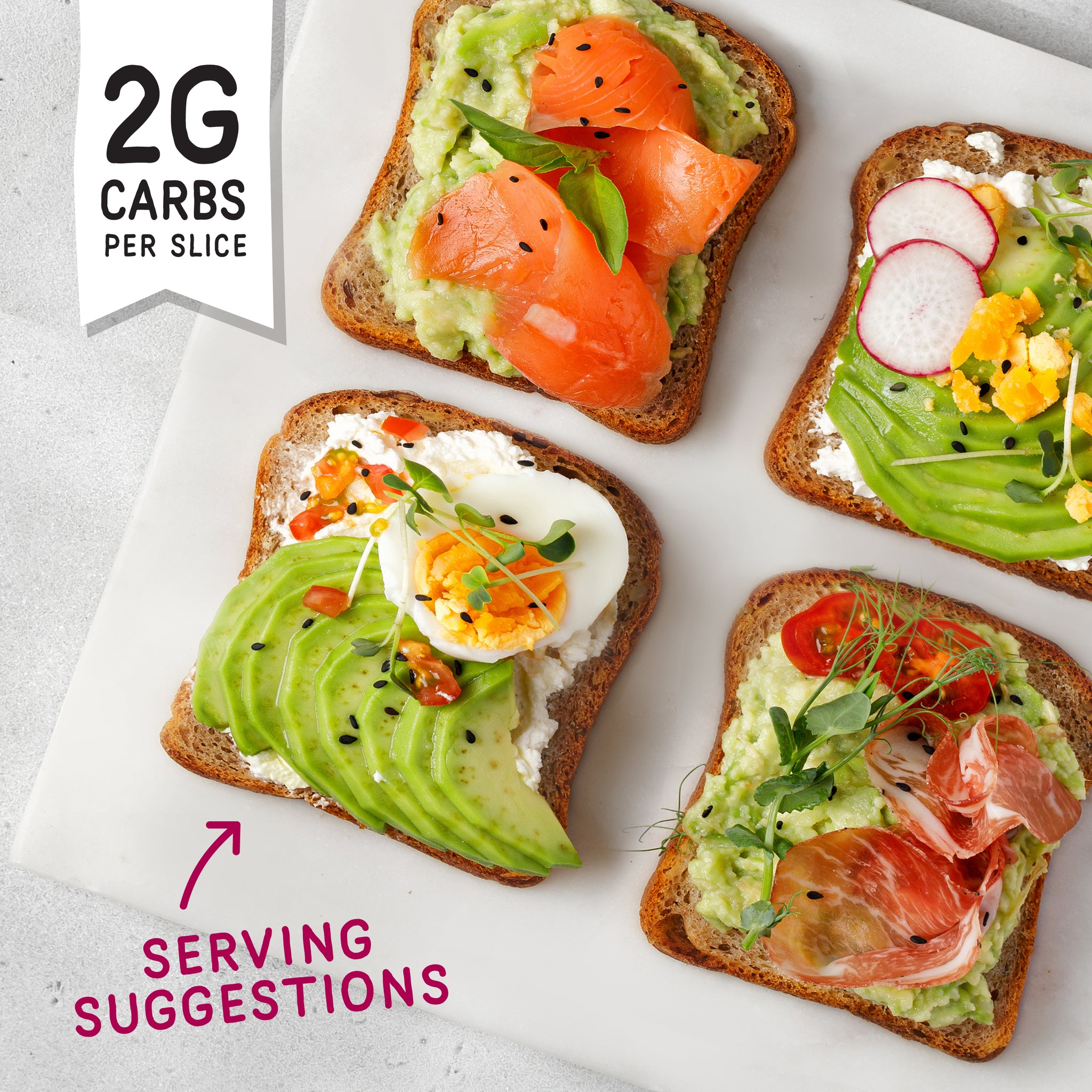
Image credit: fitbakes.co.uk
Fitbakes has taken a unique method with their Seeded Low Carb Loaf. Instead of looking at bread as something which must be removed from a diet based on carbs The loaf was developed to alter what each slice contributes in terms of nutrition.
A Slice Is More Than Its Calorie Count
People looking for low calorie bread may naturally start with the calorie figure, but calories provide only one piece of useful information. Based on the goals you wish to achieve in terms of carbohydrate content protein content, fiber and sugar are all important.
Fitbakes states that its seeded loaf has 0.8g net carbohydrate and 7g protein per slice. It also contains 17% seeds, including golden linseeds and sunflower seeds.
This combination offers consumers a different way to evaluate bread. Instead of just asking “How many calories are in this?” it becomes useful to know what you’re getting from these calories.
Why Proteins Change Conversation
Bread isn’t the primary food to come to mind when discussing protein. But protein content can be particularly relevant when a person is reducing portions or trying to cook meals that are full without heavily relying on carbohydrates.
Have a basic breakfast. The nutritional value of a slice of toast topped by avocado and seeds is significantly different from that provided by a higher-protein, seeded version. Also, using bread to make a chicken, tuna sandwich, or cheese one makes an easy lunch without the need for the creation of a new “diet” lunch.
If you are comparing the options available to find the most low carb bread available on the UK market, its usability is worth being considered alongside the numbers. A loaf isn’t of much practical value if it doesn’t perform for the meals that you truly are enjoying.
They do more than give texture
The golden sunflower seeds, linseeds and other seeds provide a distinctive crunch to bread. They’re also not just to add crunch. Recipes could benefit from seeds because they provide protein, fiber along with fats and proteins.
They also transform the eating experience. Fitbakes’ loaf gets the flavor of nuts when it’s toast. It also provides an even stronger foundation for toppings. It’s crucial to toast the bread for something substantial, rather than just eating it as a simple.
Understanding the “Low Sugar Label”
There is also an important distinction between low-sugar bread and low-carbohydrate bread. Sugar is a form of carbohydrate. Thus, a lower sugar content in the nutritional panel does not mean it is low in carbs.
To manage carbohydrate consumption take into consideration all nutrition information, and the serving size, rather than using only the front of the-pack description.
Bread That Fits Into the Meal
The best way to evaluate breads that are special is to not consider what you could create, but rather what you could do.
A toasty slice of bread that is steamed under eggs, a sandwich during lunchtime or a loaf of bread served in soup are common dishes. For those who are concerned about carbs, they can enjoy their favorite foods for as long as the loaf has less than 1 gram net carbs per slice.
Practicality is a big deal for many people as much as nutrition labels.