Bartenders in nightclubs are trained and are able to write alcohol policies down, and have an experienced manager for each shift. In an employee handbook, these safeguards can look comforting.
Imagine a busy Saturday night, when multiple bartenders are serving the same patrons while a floor supervisor is handling a disturbance, and customers are ordering rounds from various locations. Who is responsible for recognizing when someone should no longer receive alcohol?
This question is more telling in dram shops litigation instead of merely determining the amount of drinks that are sold.
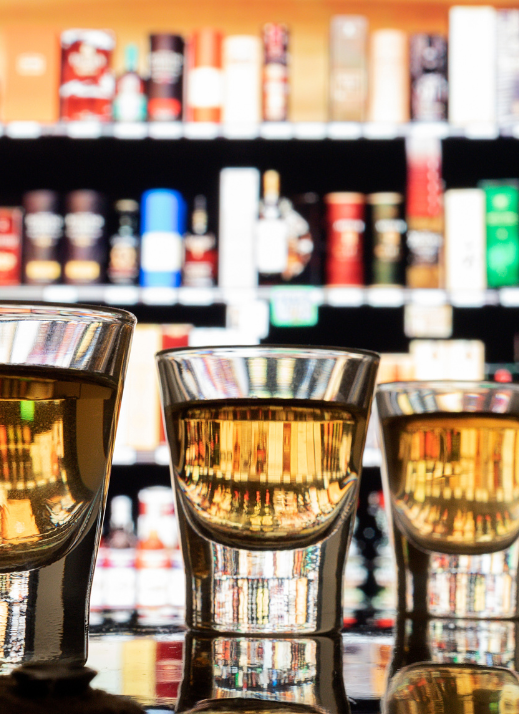
For starters, staff can see the signs of a possible overservice investigation.
A Dram Shop expert witness examines whether the alcohol-related decisions made by employees were in line with the accepted industry norms and the specific circumstances employees confronted.
A customer’s eventual intoxication does not, by itself, establish that a bartender observed recognizable warning signs during service. The investigation should consider the manner in which the customer behaved and the time of the service, the observation of staff members, and any other evidence.
Surveillance footage could reveal difficulties walking, unusual movements or interactions with employees. The testimony of witnesses can give additional details, though their memories may differ. The most important thing to differentiate between is what investigators learned from an incident, as well as what staff should have known at that time of the incident.
One Tab Doesn’t Signify One Drink
Point-of-sale records are useful however, their interpretation requires experience in hospitality. A customer could buy several glasses of beer for friends. A bottle-service transaction may include multiple customers. Bartenders can be separate and complete orders without knowing the name of an employee has previously done.
An Alcohol expert witness can examine transaction times, beverage quantities, surveillance recordings, and staffing records to develop a more complete service timeline.
This study could identify instances when employees had an opportunity to detect intoxication and intervene. This analysis can also be used to find instances where evidence is not enough to determine who drank certain beverages.
The floor is where the Training takes place.
The accreditation of employees is crucial however it doesn’t necessarily determine how a place performed during a particular shift.
An investigation may consider whether the training was up-to-date, if employees understood intervention procedures and whether supervisors reinforced the establishment’s policies.
Preston Rideout brings over three decades of experience in operations for hospitality in this field, which includes bartending, management of nightclubs, and drink-program consultancy.
According to his professional qualifications, he also holds 112 server/seller certifications, which cover 48 states and District of Columbia.
The combination of the two lets him examine the amount of training employees were given and their practical decisions. Bartenders, for instance may be able identify a behavior that is troubling, but not be given clear guidelines regarding how to report it, or even how to reach management. Therefore, the level of supervision equally important as the employee’s actions.
Insurance investigations may pose similar Questions
Expert witnesses in Liquor liability often address the same operational questions for insurers as well as defense counsel and coverage lawyers. Even though the terms used might differ, the case remains focused on alcohol service, employee conduct control, management oversight, as well as training.
The detailed review could comprise incident reports, written policies, video recordings, employee schedules and documents for certification. It is not the responsibility of an expert to automatically appoint the person who retains them. It’s to clarify the evidence that supports it as well as identify pertinent industry practices and identify the significant limitations.
Experience explains the reasons that led to the records
Rideout has appeared in court on alcohol-related and hospitality issues in 11 states, collaborating with both defense and plaintiff counsel.
The analysis he provides covers bars, restaurants and nightclubs, as well as hotels, resorts, casinos and other settings for hospitality which serve alcohol on a daily basis. Each environment has different requirements for staffing and supervisory management.
A bartender who works in a small restaurant’s dining area may have a better opportunity to look over customers than an employee at a counter serving drinks in a nightclub. Understanding the differences will assist you in placing evidence into its appropriate operational context.
Credible opinion doesn’t fill gaps by making assumptions
Dram shop laws vary by regions. Expert statements from operational experts cannot be interpreted as a legal decision. The best analysis will explain the activities of the employees, which recognized service practices were needed, and what conclusions are reasonable on the basis of the evidence.
Sometimes, the records show deviations from standard procedures. Sometimes, the records demonstrate that employees followed appropriate guidelines or left crucial questions unanswered.
This distinction is essential when lawyers are evaluating allegations involving alcohol. A professional’s advice which is valuable does more than just describe the event. The court can better understand how decisions were made within the establishment, even though no one knew what the result would be.