A step-in dog harness can transform everyday walks into a smoother and safer experience but only when it fits the way it should. Many dog owners assume that clicking a buckle means the harness is ready to go, but proper fitting takes a little more care. With the right approach, you can make sure your dog stays secure, comfortable, and confident every time you head outside.
Measure Before You Buy
The foundation of a good fit starts with measurement. Use a soft measuring tape and wrap it around the widest part of your dog’s chest, just behind the front legs. This area is the key point where step-in harnesses sit.
Never rely on size labels alone. Every brand uses a different chart, so always compare your dog’s actual measurement to the sizing guide. If your pup is between sizes, going slightly larger is safer than choosing something too tight.
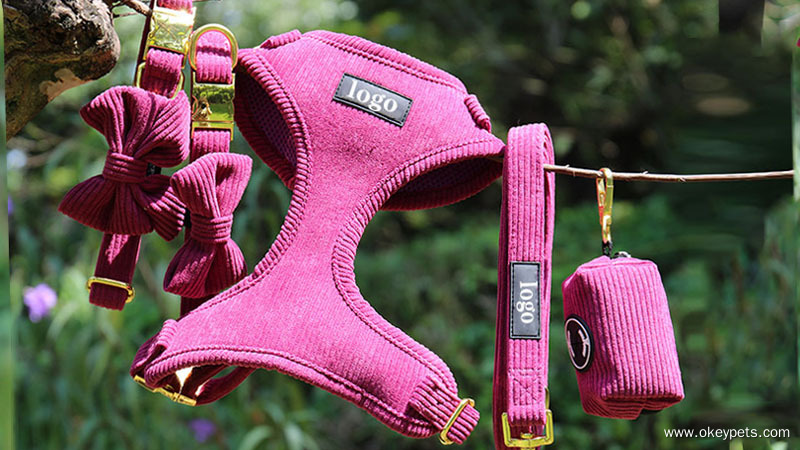
If your dog has an unusual body shape, such as a broad chest or slim torso, a custom dog harness can provide a better match than standard sizes. Custom sizing ensures improved comfort and eliminates trouble spots like slipping or pinching.
Introduce the Harness the Right Way
Dogs don’t always love trying something new. Before putting the harness on, let your dog sniff and explore it. This quick introduction helps reduce fear and encourages cooperation.
Choose a calm moment to put it on. Excited or nervous dogs are harder to fit. Speak in a gentle voice and use treats if needed to create a positive experience.
Position It Correctly
Lay the harness flat on the ground. You’ll see two openings that form a wide oval shape. Each front paw goes into its own opening. Slowly guide your dog’s paws into place without forcing them.
Once both legs are in position, lift the harness up toward your dog’s back and secure the fastener. Make sure the buckle clicks into place and feels solid.
Adjust for Comfort and Safety
After the harness is on, adjust the straps carefully. The harness should sit along the chest, not the throat. A helpful rule is the two-finger check you should be able to slide two fingers between the harness and your dog’s body with ease. If the harness rides up when your dog walks, it’s either too loose or incorrectly positioned. Re-adjust until it rests properly and doesn’t shift.
Observe Movement
Let your dog walk around inside for a minute. Watch how the harness sits in motion. If it twists, rubs, or restricts movement, it needs further adjustment. Signs your dog may be uncomfortable include pulling at the harness, slowing down, or excessive scratching.
Attach the Leash Securely
Always clip the leash to the designated metal ring. This area is reinforced to handle pressure. Never attach the leash to decorative straps or loose fabric loops, as this increases the risk of breakage.
Choose the Right Quality
Fit alone is not enough. The quality of the harness itself plays a huge role in safety. A reliable dog harness manufacturer uses durable materials, reinforced stitching, and strong hardware to ensure the harness doesn’t fail during use. Not all harnesses are created equal. Experienced manufacturers test their designs for strength and long-term performance.
If you want your dog to look stylish while staying safe, a designer dog harness can offer visual appeal without sacrificing function provided it’s made by a trusted source. Fashion should always come second to durability and comfort.
Check Fit Regularly
Dogs change over time. Growth, weight changes, and seasonal coat shedding can affect how a harness fits. It’s smart to re-check the fit every few weeks and readjust as needed.
Avoid These Common Errors
Don’t rush the fitting process. Avoid overtightening straps just to prevent slipping. Never leave the harness on all day; remove it indoors to prevent irritation.
Final Thought
A properly fitted step-in harness allows your dog to feel supported without restraint. When measured, adjusted, and used correctly, it becomes part of a comfortable walking routine not a struggle. Investing a few extra minutes now guarantees safer, happier adventures together.