The Budgerigar Council of South Australia is pleased to present its guide on budgies as pets. They are also referred to under the nick names budgerigars or parakeets. These tiny, playful birds have a huge space in the hearts of pet owners all over the world. The budgie is a tiny bird that has gained a reputation as lovable, intelligent and talkative. It’s just a bit behind the popular dog and cat.
Before bringing this adorable animal into your home it’s essential to comprehend their requirements and temperament. This guide will arm you with the knowledge you require to live that your pet is healthy and happy for both you and your pet.
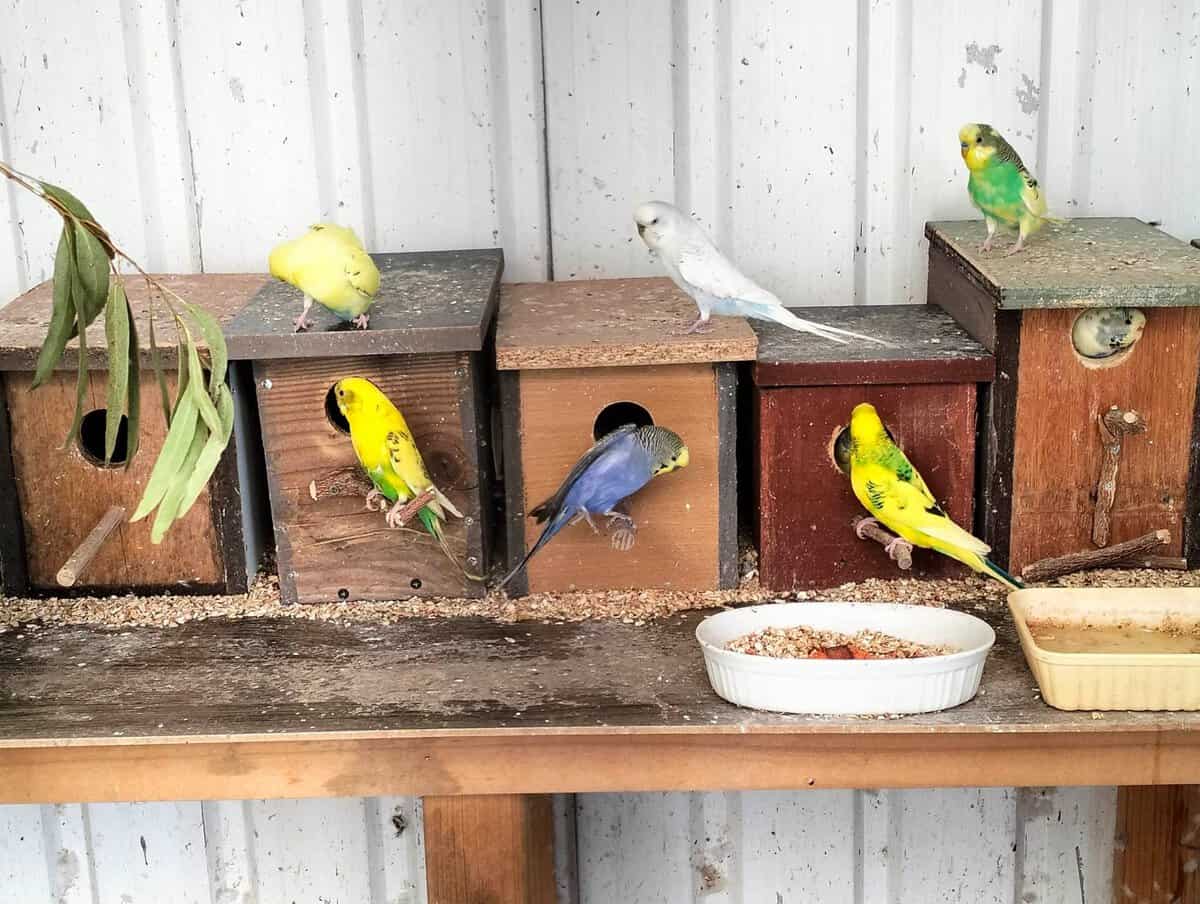
A tiny social butterfly
Budgies are social animals who thrive on companionship. In the wild, budgies are in large flocks that continuously chirping, playing and communicating with one another. A single budgie might bond with its owner in the case of receiving much attention. But they must always have a companion. If you can’t manage two birds, be prepared to spend an extensive amount of time communicating with your budgie on its own in order to avoid loneliness.
Chatterboxes With A Flair for mimicry
One of the most lovable characteristics of a pet budgie is their ability to imitate sounds. Budgies are able to learn words and phrases through perseverance and practice. This adds a wonderful level of enjoyment to the whistles, chirps, and squeaks they produce. The development of their vocabulary can vary significantly, with some Budgies turning into true chatterboxes, while others stick with the basic whistles. Regardless of their talking prowess the playful voice of theirs is guaranteed to bring a smile to your face.
Rainbow on Wings
Budgie birds are available in an array of shades. From the traditional combination of light blue and yellow to bright shades of green violet, and white. Breeders have created a myriad of mutations throughout the years, so you’re bound to find a feathered companion that matches your personality. Color variation can be a sign of the sex and age of birds as well, making them excellent conversation starters.
How to live large in a tiny space
While budgies are small birds They still need plenty of space to fly, climb and explore. A minimum cage size of 20 inches in length 12 inches in depth and 18 inches tall. However, bigger is always better! Give perches of different heights and textures to keep your pet engaged and to rotate their toys frequently to avoid boredom. Natural sunlight is good however, do not place the cage in the sun for long periods.
A Budgie-Approved Diet
A balanced diet for budgies consists of pelleted foods that are formulated specifically for small parrots. This feeds them the necessary nutrients they require to live a healthy life. Supplement their pellet diet with fresh fruits and vegetables, such as chopped vegetables, leafy greens and apples (be certain to take out the seeds). Cuttlebones are a must to ensure their beaks are kept trim and supplying essential minerals. Always ensure they have access to clean, fresh water.
Making a Connection with your Feathered Best Friend
It takes patience and gentleness to manage an avian. Begin by gently moving towards the cage while talking to your bird. To build trust, give treats like millet spray to your bird via the bars of the cage. When the budgie is happy with your presence, you may attempt to enter the cage and allow them to perch on your finger. Be patient, but not overly aggressive. This process could be a long time or just a few days.
A Lifelong Engagement
Depending on how they are treated, budgies are able to last between 10-12 years. Be aware of your lifestyle and dedication to the long run before you bring one home. Do you have the capacity to offer daily interaction, a stimulating environment and a clean home? Budgies are a great companion that will enrich your daily life. It can bring you delight with its cheerful chirps as well as playful antics. Click here for Budgie Bird
The Budgerigar Council of South Australia promotes responsible pet ownership. Don’t be afraid to consult an expert avian veterinarian to provide advice on how to care for your feathered friends If you’re not sure.